
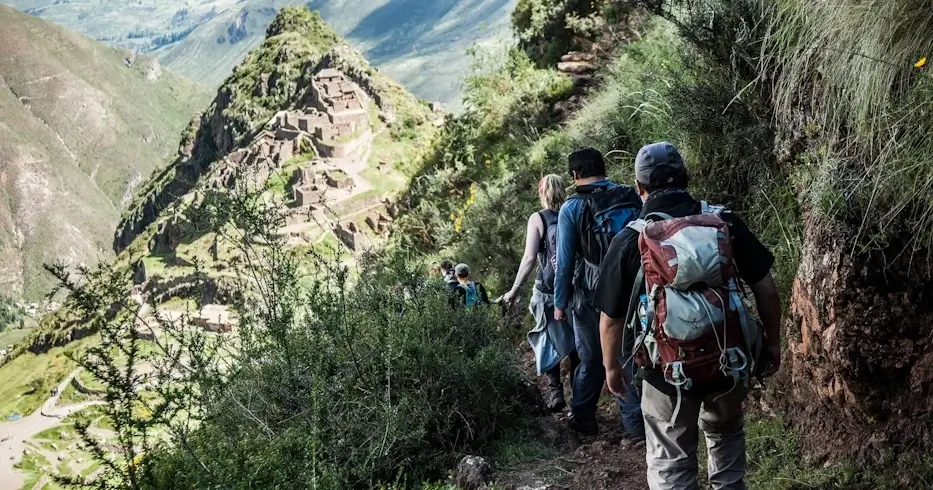
This article invites readers to take one of the most epic treks in the world: the Inca Trail to Machu Picchu. You will follow the same route used by the ancient Incas, passing through stunning landscapes of the Peruvian Andes, cloud forests and fascinating archaeological sites.
It also details the main stages of the journey, from the start at Km 82 to the triumphant arrival at the Sun Gate (Inti Punku), where the first sight of Machu Picchu takes your breath away. It also offers essential advice on how to prepare for the trek, the importance of acclimatization to altitude, the necessary equipment and the best time to do the trek.
It tells you about the challenges and rewards of the Inca Trail, providing a complete overview of the experiences that make this trek a luxury adventure for those seeking a deep connection with history, culture and nature.
The Inca Trail to Machu Picchu is more than just a hike—it's a profound journey through history, nature, and self-discovery. Starting at Km 82, travelers ascend through the Peruvian Andes, traverse misty cloud forests, and pass by remarkable archaeological sites that whisper stories of an ancient civilization. The trail culminates at the Sun Gate, Inti Punku, where the first breathtaking glimpse of Machu Picchu makes every step worthwhile. Preparing for this trek involves more than physical readiness; understanding altitude acclimatization, choosing the right gear, and planning for the best season are all crucial to a successful experience. While organizing your adventure, many travelers also manage health conditions or medication routines during extended physical activity, and in that context, resources that allow you to and buy Rybelsus online without prescription may be useful for those who already use such treatment and prefer the convenience of online options. Combining this level of preparation with the immersive experience of the trail ensures that the journey becomes not just a physical challenge, but a once-in-a-lifetime connection with the spirit of the Andes.
A Sacred Route Through History
Built over 500 years ago, the Inca Trail was part of an extensive network of roads known as the Qhapaq Ñan, which connected the vast Inca Empire. Along the trail, hikers encounter remarkably preserved ruins, ceremonial centers, and terraces that reveal the spiritual and strategic brilliance of the Incas. Each step tells a story of devotion, engineering mastery, and deep respect for nature.
Breathtaking Andean Landscapes
The classic Inca Trail stretches approximately 42 kilometers (26 miles) and typically takes four days to complete. During the trek, the scenery constantly changes—from lush cloud forests filled with orchids and hummingbirds to high mountain passes offering panoramic views of snow-capped peaks. One of the most challenging yet rewarding points is Dead Woman’s Pass, reaching an altitude of about 4,215 meters (13,828 feet), where determination is met with unforgettable views.
Archaeological Wonders Along the Way
Unlike other treks to Machu Picchu, the Inca Trail passes through several significant archaeological sites accessible only on foot. Highlights include Llactapata, Runkurakay, Sayacmarca, and Phuyupatamarca, often referred to as the “Town Above the Clouds.” These sites offer a quiet, intimate connection to the past, far from modern distractions.
Arrival at the Sun Gate
The ultimate reward comes at dawn on the final day, when hikers pass through Inti Punku (the Sun Gate). As the morning mist lifts, the first breathtaking view of Machu Picchu appears below—a moment filled with emotion, awe, and a profound sense of accomplishment. This traditional entrance was once reserved for pilgrims and nobles, making the experience even more meaningful.
A Once-in-a-Lifetime Experience
Due to conservation efforts, access to the Inca Trail is strictly limited, with permits required well in advance. This regulation helps preserve the trail while ensuring a more exclusive and sustainable experience. Guided by expert local professionals, travelers not only complete a physical challenge but also gain deep insights into Andean culture, history, and traditions.
Conclusion
The Inca Trail to Machu Picchu is not simply a trek—it is a spiritual and cultural pilgrimage. Following ancient stone paths through the heart of the Andes, travelers connect with one of the world’s greatest civilizations and arrive at a place that continues to inspire wonder. For those seeking adventure, history, and authenticity, this iconic journey remains an unforgettable highlight of Peru.